A Study in Patience: The Vulnerable Reproductive Cycle of Timber Rattlesnakes
Post By @DrewWild
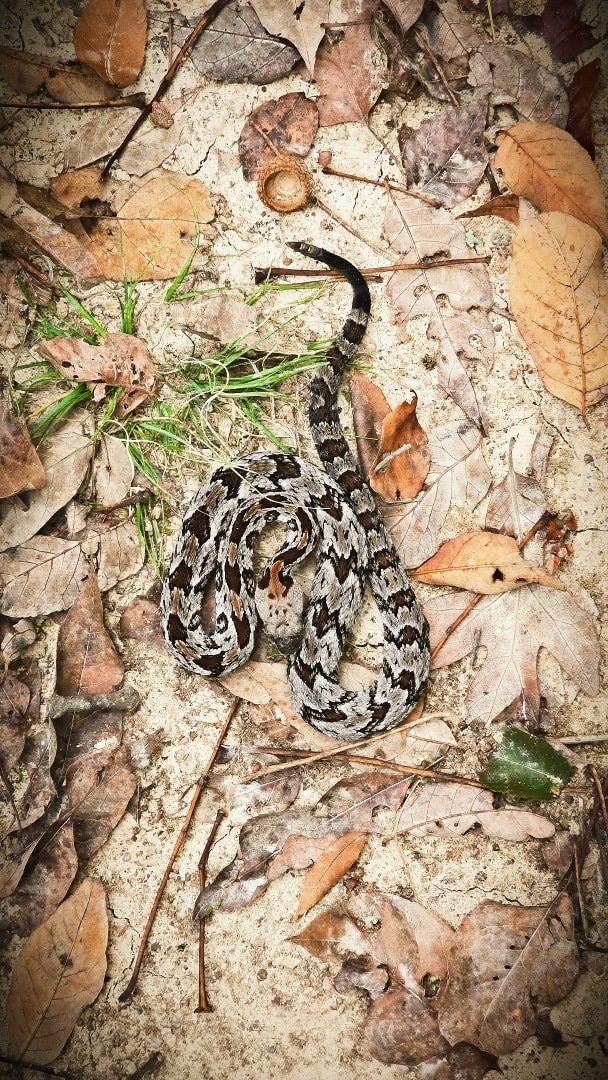
Timber rattlesnakes (Crotalus horridus) have one of the most fragile reproductive systems among North American snakes due to their long maturation time, infrequent breeding, and high maternal investment, all of which make population recovery extremely slow.
Females generally do not reproduce until they are between 7 and 13 years old, while males mature around 4–6 years. After reaching maturity, females produce litters only every 2–4 years, depending on body condition and environmental factors such as temperature and prey availability. This results in many females reproducing just 3–5 times in their entire lifespan, which rarely exceeds 30 years.
Mating occurs from mid-July through late October. Females store sperm over the winter, with ovulation and fertilization delayed until the following spring, shortly after emerging from hibernation. This strategy synchronizes birthing with the warmest late-summer months, from August to October, giving the newborns the best chance of survival before winter dormancy.
Timber rattlesnakes are ovoviviparous, meaning embryos develop inside eggs within the mother’s body, and she gives birth to live young. Typical litter sizes range between 5 and 15, though some females may produce as few as 3 or as many as 20 offspring depending on size and health. Mothers guard their young for about a week or two after birth before the snakes disperse.
Pregnant (gravid) females drastically reduce movement, often remaining in warm, sunlit clearings to maintain body temperature for embryo development. Because gravid females eat little and become more vulnerable to predation and habitat disturbance, successful reproduction depends heavily on the availability of undisturbed, sun-exposed gestation sites.
This fragile reproduction characterized by slow maturity, infrequent breeding, and small litters makes timber rattlesnake populations especially sensitive to habitat loss, human disturbance, and road mortality. Even minor decreases in adult survival rates can lead to long-term population declines since replacement through reproduction occurs so rarely.