Meet the Bobcat: North America's Elusive Wildcat
Post By: @DrewWild
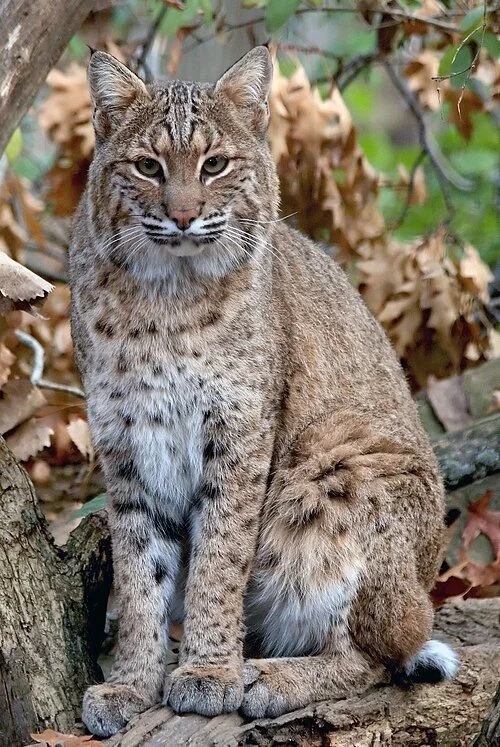
Image Becker(Paul and Cathy)
The bobcat (Lynx rufus), also known as the wildcat, bay lynx, or red lynx, is a fascinating medium-sized wild cat native to North America. It is named for its distinctive short, "bobbed" tail with a black tip. Bobcats typically measure up to 50 inches in total length, including their stubby tail, and weigh between 15 to 40 pounds, with males being roughly one-third larger than females. Their fur is usually brown with black spots, which can vary in shade depending on the habitat, aiding their camouflage in diverse environments.
Bobcats are highly adaptable animals found in a variety of habitats ranging from dense woodlands, deserts, and swamps to urban edge environments. Their range covers much of Southern Canada, the United States, and as far south as Oaxaca, Mexico. They prefer areas that provide dense vegetation or rocky ledges for shelter and hunting cover but can also live near agricultural land if adequate shelter is present. Bobcats are noted to live in dens such as rock crevices or hollow logs where they rest and rear their young.
Primarily nocturnal and crepuscular (active during dawn and dusk), bobcats are solitary and territorial animals. Each bobcat establishes and vigorously marks its territory with claw marks, urine, and feces to deter rivals. Territorial ranges vary by sex, with males covering up to 30 square miles and females much less. Bobcats are stealthy ambush predators, stalking prey silently by placing their back feet in the exact spot as their front feet to avoid making noise.
Their diet mostly consists of rabbits and hares, but they are opportunistic hunters feeding on birds, rodents, reptiles, and even deer fawns when available. Their exceptional climbing and jumping abilities capable of jumping 12 feet in a single bound that aid in hunting and evading predators like mountain lions and wolves.
Bobcats are remarkable wildcats with unique adaptations that make them one of the most successful predators across a wide range of habitats in North America.
Some interesting Bobcat facts
-Bobcats can run up to 30 miles per hour.
-They rarely climb trees for leisure, but use this skill primarily to escape threats or chase prey.
-Bobcats communicate through scent, vocalizations such as growls and hisses, and visual signs.
-Their lifespan in the wild averages around 7 years, with some reaching over 15 years.
-Although hunted for their spotted pelts, bobcat populations remain stable and are classified as least concern.